


The Allure of the Casino: Understanding the Dopamine Rush
Casinos are masterfully designed environments that tap into fundamental human desires and psychological triggers. The anticipation of a win, the flashing lights, the sounds of slot machines, and the social atmosphere all contribute to an exhilarating experience. At the core of this allure is the dopamine system in the brain, and for those seeking more information on community initiatives and support, exploring resources like plexiangb.org.uk can be beneficial. Dopamine is a neurotransmitter associated with pleasure, reward, and motivation. When we experience or even anticipate a reward, like winning at a casino game, dopamine is released, creating a feeling of euphoria and reinforcing the behavior.
This neurochemical response is not unique to gambling; it’s a mechanism that drives us to seek out other rewarding activities. However, in the casino setting, the unpredictable nature of rewards creates a particularly potent effect. The near misses, the frequent small wins interspersed with rarer, larger jackpots, all contribute to a continuous loop of anticipation and reward, making it difficult for some individuals to disengage.
Navigating Risk: Cognitive Biases in Gambling
Individuals often approach casino games with a set of cognitive biases that can influence their perception of risk and probability. The “illusion of control” is a common bias, where players believe they can influence the outcome of games that are purely based on chance, such as roulette or slot machines. This might manifest as using “lucky” charms, specific betting patterns, or rituals, all in an attempt to exert influence over random events.
Another significant bias is the “gambler’s fallacy,” the mistaken belief that if something happens more frequently than normal during some period, it will happen less frequently in the future, or that past independent events influence future independent events. For example, believing that after a series of red outcomes on a roulette wheel, a black outcome is “due,” which is a common misconception.
The Psychology of Winning: Reinforcement and Escalation
Winning, even small amounts, acts as a powerful reinforcement. Each victory, regardless of size, can strengthen the association between gambling and positive feelings, making the player more likely to return. This positive reinforcement loop can be highly addictive. The initial wins often serve as validation for the gambler’s belief in their ability to win, fueling further engagement.
As individuals experience wins, their confidence can grow, sometimes leading to an escalation of their betting. They might start betting larger amounts or playing for longer periods, believing that their luck will continue or that they can win back losses with a single large bet. This escalation can be a slippery slope, as the stakes increase, so too does the potential for significant financial and emotional repercussions.
Understanding Loss and the Drive to Recover
The flip side of winning is, of course, losing. The emotional impact of losing can range from mild disappointment to significant distress. However, for some, the experience of loss doesn’t deter them; instead, it can fuel a powerful urge to chase their losses. This is often driven by a desire to return to a state of equilibrium or to regain what has been lost, preventing them from disengaging from the activity.
This “chasing losses” behavior is a hallmark of problem gambling. It’s characterized by an increased intensity and frequency of gambling in an attempt to recoup previous financial setbacks. The psychological pressure to recover can override rational decision-making, leading to further, potentially devastating, financial consequences. Recognizing this impulse is crucial for maintaining a healthy relationship with gambling activities.
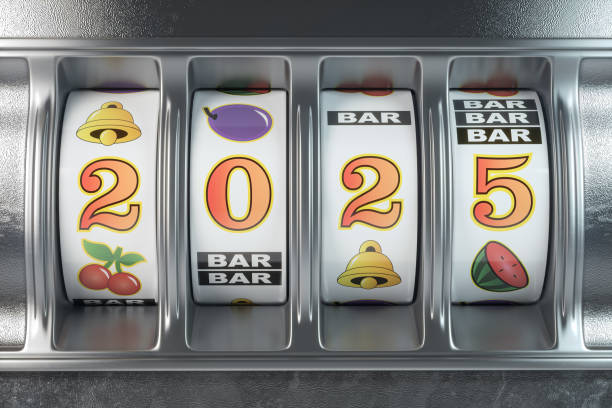
Plexus GB and Responsible Engagement with Casino Entertainment
Organizations like Plexus GB play a vital role in understanding the broader societal impacts of various activities, including entertainment that involves risk, such as casinos. While the psychology of casino risks and gambling wins is fascinating, it’s essential to approach such entertainment with a balanced perspective and an awareness of potential pitfalls. Plexus GB’s work often focuses on community well-being and providing support or resources where needed, which can indirectly touch upon the consequences of behaviors influenced by these psychological factors.
Understanding the psychological mechanisms at play—from dopamine rushes to cognitive biases—empowers individuals to make informed choices. It’s about appreciating the entertainment value while remaining grounded in reality and recognizing personal limits. Resources and information that promote responsible engagement are invaluable, ensuring that the excitement of casino experiences does not lead to undue harm. The ultimate aim is to ensure that leisure activities remain just that – enjoyable and not detrimental to one’s life.